
 0 Comments
With rising energy costs and growing environmental concerns (not to mention the recent red alerts recently raised by the National Grid Corporation of the Philippines over Luzon and Visayas), being mindful of the way we live – and cook – is more important than ever.
If we are to adapt to the times and start reducing our carbon footprint, then we have to pay more attention to how we consume energy in our daily lives. That includes choosing the most energy-efficient ways to cook in the kitchen.
Spoiler alert: these could save you money in the long run.
Daily Cost of LPG vs. Induction Stovetops
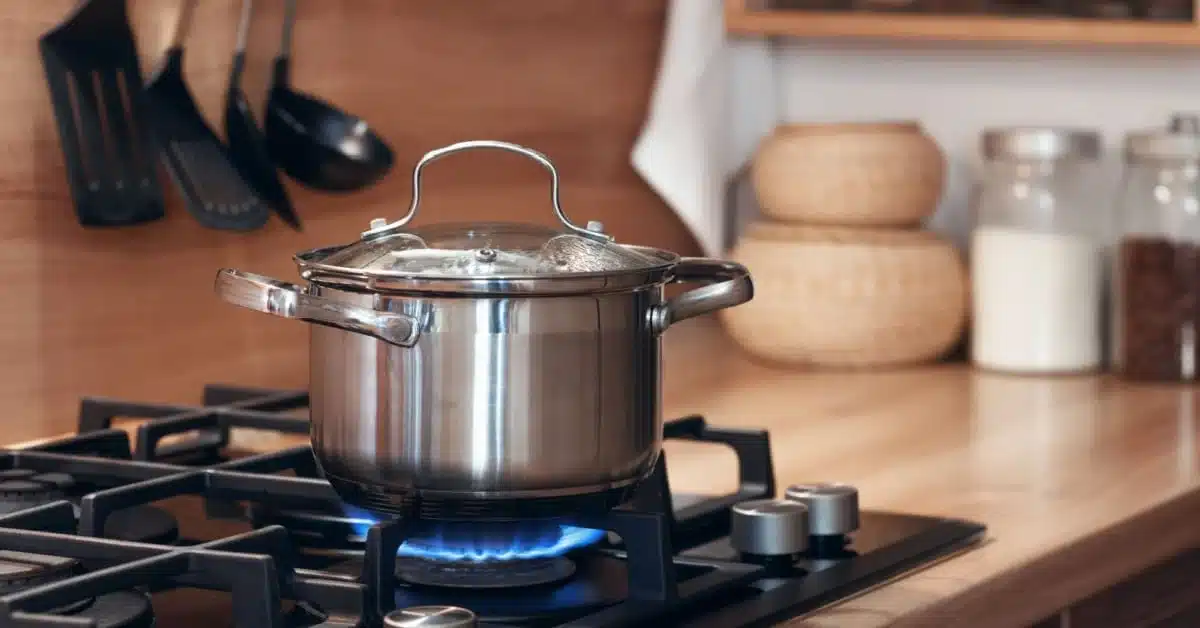
Simple math will tell you that using LPG stovetops always come out cheaper than cooking with induction technology.
As of April 2024, the cost of an 11-kg household LPG tank in Cebu City averages Php1,103.2. According to this website, a safe estimate for how long a tank lasts in a typical Filipino household is 1.5 months, or 45 days.
Average daily cost of LPG = Php 1,103.2 / 45 = Php 25.52
Compare this to a common 2,000 W induction cooktop. Assuming it will be used for 3 hours a day, the units of electricity used per day can be calculated thus:
2,000 W x 3 hours / 1,000 = 6kWh (this is the units of electricity used per day)
As of April 2024, VECO rate is at Php 11.28 per kilowatt hour.
Average daily cost of electricity = Php 11.28 x 6 = Php 67.68
Gas wins in this basic calculation. However, there is another important factor to consider.
Energy Efficiency to the Rescue
Energy efficiency means using less energy to perform the same task. To put it another way, it is reducing the amount of energy used to produce the same result.
It is reported that gas stovetops are only about 40% efficient, whereas induction cooktops are about 84% efficient. Taking these numbers into consideration, a more accurate calculation for the average daily cost of the two cooking methods is as follows:
Average daily cost of LPG: Php 25.52 / 0.40 = Php 63.8
Average daily cost of electricity: Php 67.68 / 0.84 = Php 80.57
This narrows the gap between the two significantly. And although the induction stovetop will still cost you Php 20 more each day, its technology also brings you a host of benefits.
A Worthwhile Php 20 Investment
Gas and electric cooking methods differ significantly in their environmental implications. Gas cooking involves burning fossil fuels, releasing carbon dioxide and other greenhouse gases into the atmosphere, which contributes to global warming. In contrast, electric cooking methods, such as induction cooking, reduce direct emissions. Electric appliances also have the potential to be powered by renewable energy sources, further decreasing their carbon footprint.
Closer to home (or rather, inside it), gas stoves also degrade the quality of air by emitting pollutants such as nitrogen oxides and formaldehyde. There are reports that they can leach methane into the air even when the gas stoves are not in use. Compare that to electric stoves that will not expose you to such hazardous chemicals, and it does seem like the Php20 difference in daily cost is a sound investment to avoid expensive medical bills down the line. Gas saves you money now, but energy-efficient cooking appliances save you money in the long term.
Energy-Efficient Kitchen Alternatives
It is not just stovetops where you can make better choices for your kitchen. Here are 4 more appliances that may just make you say yes to electric cooking.
- Microwave Ovens
Microwave ovens are models of energy efficiency, using 60-70% less energy than conventional ovens. This efficiency comes from their method of using electromagnetic waves to directly heat food, reducing the energy wasted on heating the surrounding air. No need for 20 minutes of pre-heating like traditional ovens; the compact size of the microwave also plays a significant role in their lower energy consumption.
- Pressure Cookers
Pressure cookers (for example, the versatile Instapot) are another great tool for efficient energy use. These handy appliances use 30-70% less energy compared to conventional stovetops and ovens, thanks to their method of cooking food under high pressure. This method significantly cuts down on cooking time and the energy needed to maintain temperature.
- Slow Cookers
Slow cookers are surprisingly energy efficient, using 65-70% less energy than conventional ovens. They cook food at a temperature over several hours, which reduces the energy required to maintain cooking temperatures. At low wattages ranging from 80 to 320, slow cookers are true power savers.
- Electric Kettles
Electric kettles are about 80% efficient, which means you can boil water faster. They are generally well-insulated, plus their heating coils rest directly in the water to be heated, both of which minimize the heat energy that is lost to the air. They are silent, too, which makes your morning coffee that much more enjoyable.
By opting for energy-efficient kitchen appliances, households can take a proactive step towards reducing their carbon footprint and saving on energy and health costs in the long run. It’s all about making impactful choices that benefit both the planet and your wallet. And that’s a delicious thought.