
The Philippines is taking concrete steps to turn its vast offshore wind (OSW) potential into a viable energy industry, but building the infrastructure to support these projects will require major

The Philippines is taking concrete steps to turn its vast offshore wind (OSW) potential into a viable energy industry, but building the infrastructure to support these projects will require major

The Philippines is expected to keep coal consumption broadly steady this year, with coal-fired plants continuing to provide much of the baseload power needed to meet electricity demand, the International

The Roman Catholic Diocese of Laoag has formally opposed the proposed offshore wind developments off the coasts of Burgos, Bangui, and Pagudpud, saying the projects could threaten the livelihoods of

The municipality of Morong, Bataan has declared itself a non-nuclear zone, prohibiting nuclear power facilities and radioactive materials within its jurisdiction in a move that anti-nuclear groups said reinforces local

The Philippines’ renewable energy (RE) share in installed electricity capacity edged up to 31.2% in 2025 from 30.1% a year earlier, according to the International Renewable Energy Agency (IRENA). The

In April 2026, Fitch Ratings revised the Philippines’ outlook from stable to negative, citing the economic strain caused by rising global energy prices linked to renewed geopolitical tensions in the
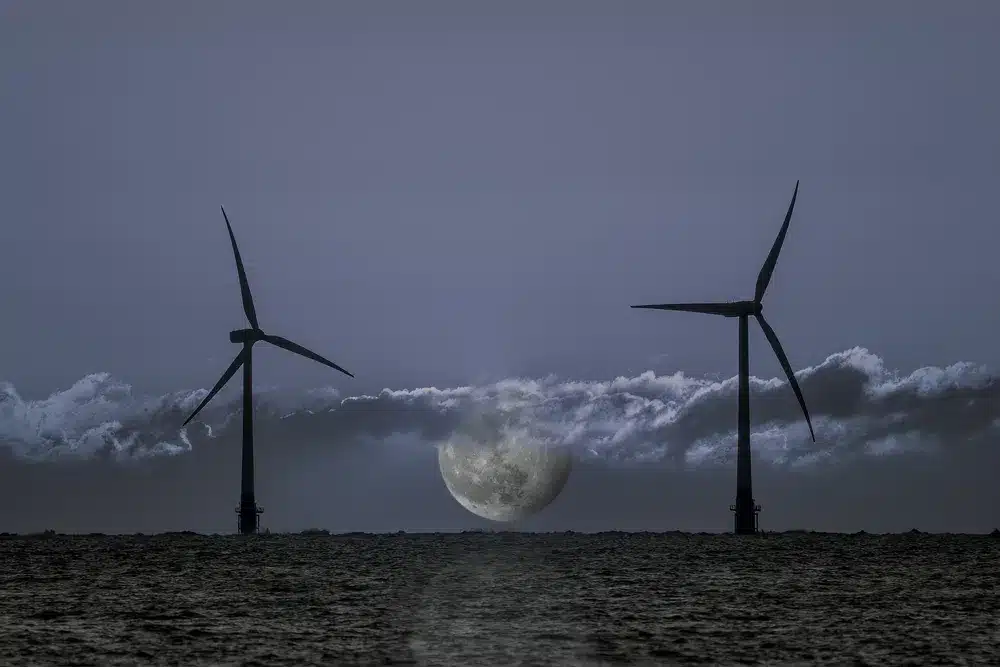
The Philippines has formally launched the fifth round of its Green Energy Auction Program (GEA-5), the country’s first auction dedicated exclusively to offshore wind (OSW). The Department of Energy (DOE)

Climate change is a global challenge, but energy policy is deeply local. For the Philippines, applying a rigid net-zero framework borrowed from wealthy economies is not only impractical but also

The year 2025 marked a defining chapter in the global energy story, as nations accelerated the shift toward cleaner power while confronting stubborn realities of demand growth, grid constraints, and
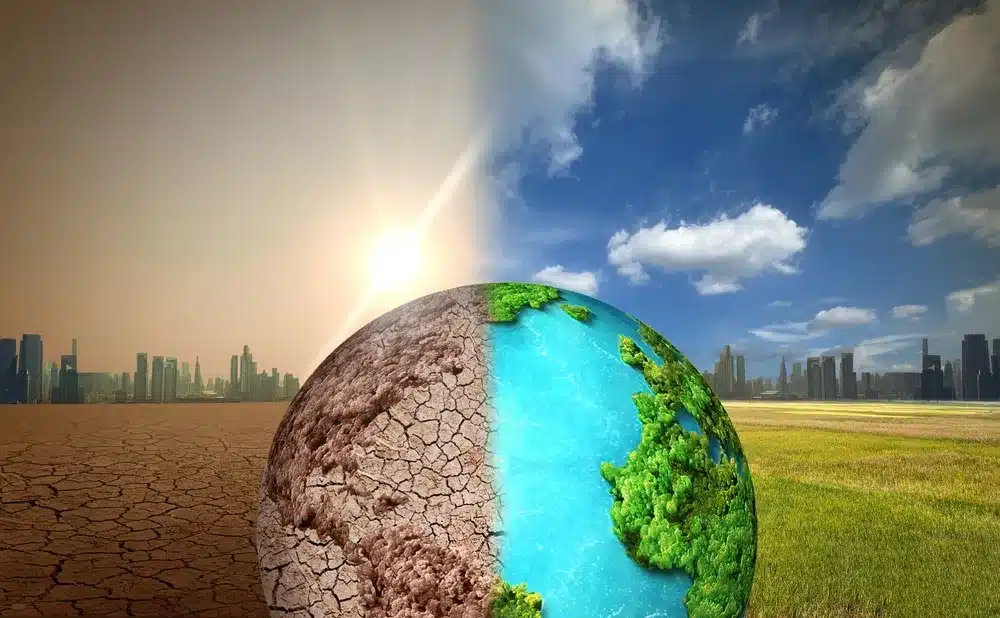
Climate change, which refers to long-term changes in temperature and weather patterns, is widely recognized as one of the most urgent global challenges. The United Nations (UN) asserts that, though