
 0 Comments
Table of Contents
More than a month after Super Typhoon Uwan battered northern Luzon, parts of Ifugao province continue to experience power interruptions, with some towns still waiting for full restoration of electricity services.
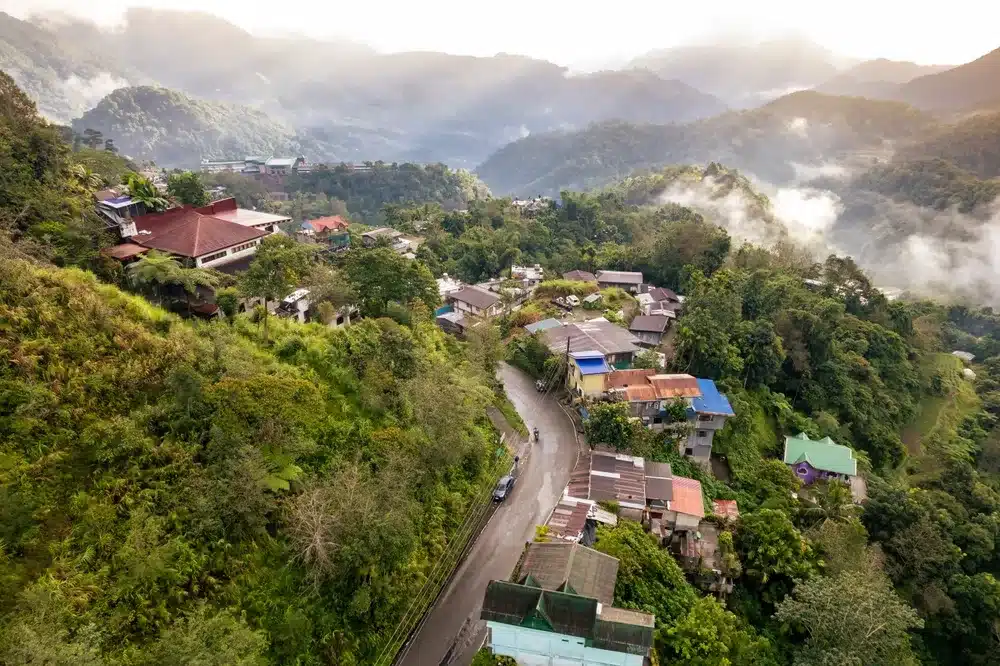
In Banaue, establishments and lodging houses were still without power just before New Year’s Eve, according to visitors who reported that outages had persisted for at least three days. An innkeeper in the area said the problem appeared to stem from a damaged electric post and noted that the service provider was the Ifugao Electric Cooperative (IFELCO), which distributes electricity to 11 municipalities across the province.
IFELCO sources power from SN Aboitiz Power, a renewable energy producer supplying several cooperatives in the Cordillera region.
Effects Of Typhoon Remain
While the exact cause of the most recent outage remains unclear, residents said the repeated loss of electricity has made daily life difficult, disrupting communication and hampering basic services.
With no power, there is also no Wi-Fi, and it becomes very difficult to communicate with other cities and municipalities. These problems demonstrate how vulnerable upland communities continue to struggle months after the storm.
Power Restoration Efforts
Following Uwan’s onslaught in early November, the National Electrification Administration (NEA) deployed 32 teams of engineers and line workers under Task Force Kapatid, a program that mobilizes electric cooperatives to assist in restoration efforts. The NEA reported that IFELCO was among several Luzon cooperatives severely affected by the typhoon, which left millions of households without electricity.
As of mid-November 2025, IFELCO had already begun restoration work in parts of Alfonso Lista, Aguinaldo, Lagawe, Lamut, and Mayoyao. General Manager Marcial Nahiwan said linemen were prioritizing backbone lines and medical facilities to restore essential services. He estimated partial damages at ₱2.6 million and appealed for public patience, assuring residents that crews were working “to restore electricity in the province as soon as possible.”
Energy Resiliency Needed
Despite these efforts, the pace of recovery underscores the difficulty of rebuilding power infrastructure in mountainous terrain. The province, which endured Signal No. 4 winds during Uwan’s peak, saw toppled trees and electric posts that left communities in the dark for days. For residents of Banaue and nearby towns, continued outages highlight the persistent challenges faced by far-flung provinces in ensuring reliable power even long after the storms have passed.
As climate-driven disasters become more frequent, energy authorities say the experience of Ifugao points to the urgent need for stronger power resiliency measures in off-grid and upland areas. Officials and residents alike stress that electricity, much like water and internet connectivity, should be treated as a basic service that must reach every Filipino community, regardless of geography.
Source:
https://www.philstar.com/opinion/2026/01/04/2498608/no-electricity