
 0 Comments
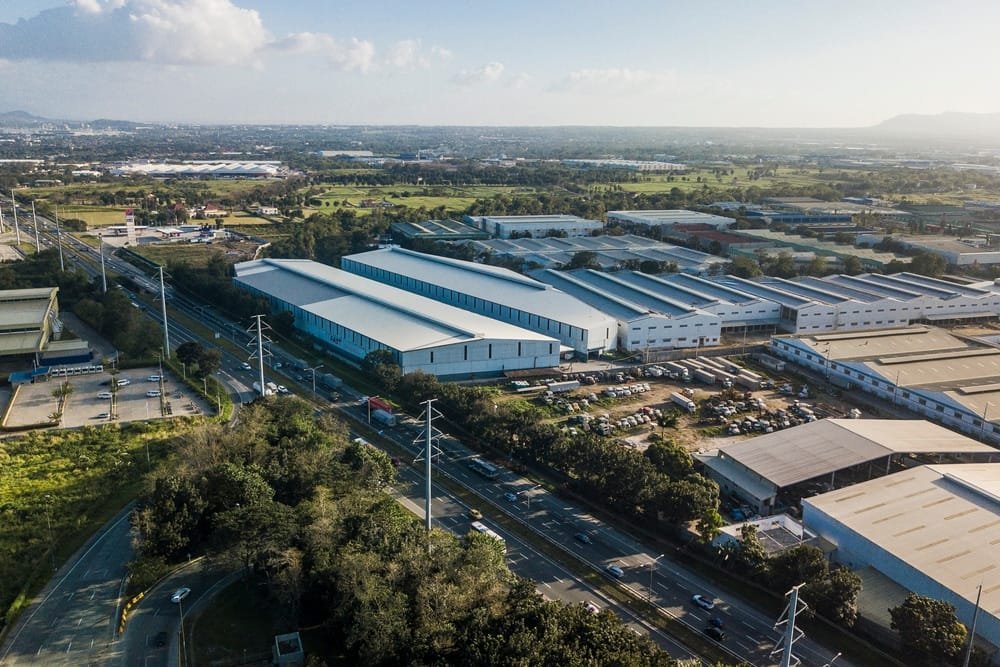
Industrial parks are designated areas specifically and zoned for industrial development and processes. Also known as industrial estates or business parks, these areas offer a structured environment for businesses involved in manufacturing, warehousing, distribution and other related activities.
Economic benefits
Industrial parks can generate many employment opportunities for local communities. According to Colliers, the Philippines experienced record-breaking investment guarantees in the first half of 2023. This is especially beneficial for the industrial segment as the investments are mostly for industrial space and warehouses in Central and Southern Luzon.
The Philippine Statistics Authority (PSA) stated that CALABARZON (Cavite-Laguna-Batangas-Rizal-Quezon) saw an influx of foreign investments reaching P93.4 billion from 2022 to the first quarter of 2023. Cavite, Laguna and Batangas, in particular, are sought after by locators from logistics, electronic manufacturing, food, and automotive parts.
To attract more investors and expand the country’s manufacturing competitiveness in Asia, Colliers recommends featuring township components in industrial parks. Master-planned communities with both residential and commercial developments as well as industrial spaces are appealing because of:
- ensured pavement of roads that ensure transport efficiency
- more affordable utility expenses
- lower operational costs
- opportunity to customize warehouses and linked facilities
Environmental benefits
Aside from increasing revenue, townships in modern industrial parks offer these green advantages:
- Efficient land use
Residential, commercial, and recreational facilities within industrial parks promote more efficient use of land. This mixed-use development reduces the need for expansive urban sprawl, preserving natural landscapes and agricultural areas.
- Reduced Transportation Emissions
By having residential and commercial facilities close to workplaces, commuting distances are shortened. This leads to lower vehicle emissions since a reduced reliance on cars for commuting decreases greenhouse gas emissions and air pollution. The shorter distances also encourage alternative transport, making walking, cycling, and public transportation attractive options for residents and workers.
- Energy efficiency
Industrial and residential buildings can share energy resources, such as combined heat and power (CHP) systems, which are more efficient than separate systems. Industrial park developments often adopt green building standards (e.g., LEED certification), ensuring better insulation, energy-efficient lighting, and sustainable materials usage.
- Integrated waste management
Townships can implement an integrated approach to waste management. For instance, industrial parks can establish comprehensive recycling and waste segregation programs, benefiting from economies of scale. Meanwhile, organic waste from residential areas and industrial processes can be converted into energy, reducing landfill use and generating renewable energy.