
 0 Comments
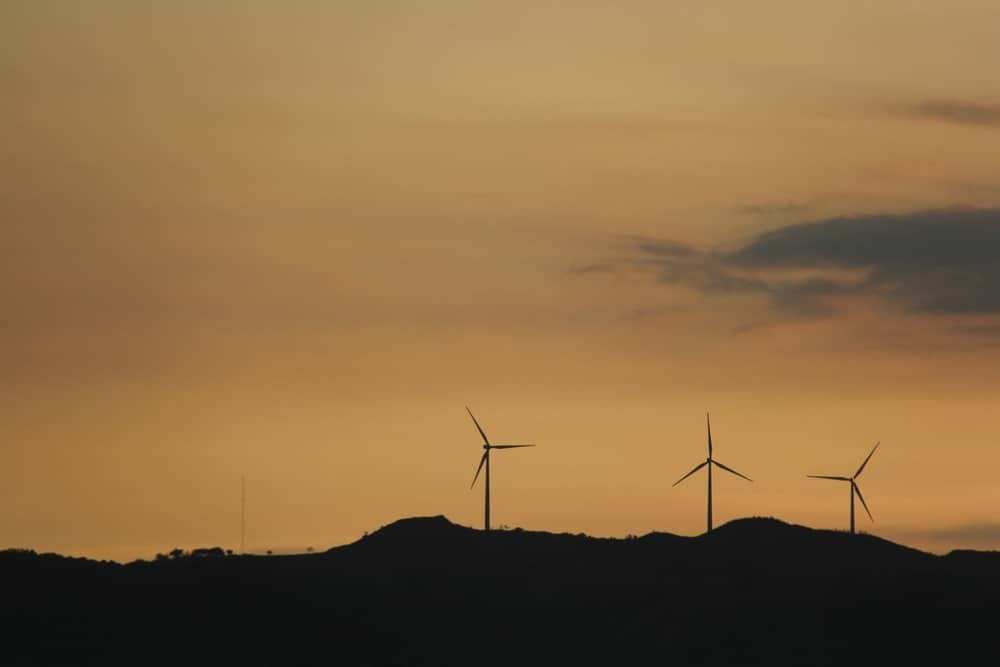
Boosting the nation’s renewable energy (RE) capacity is a wind energy project in Tanay, Rizal, which is set to contribute up to 112 megawatts of clean energy to the Luzon grid by late 2025.
This endeavor supports the government’s aim of achieving a 35% share of renewable energy in the nation’s energy mix by 2030. In addition to enhancing the grid’s sustainable energy potential, the initiative is also anticipated to stimulate growth in Tanay’s tourism industry.
Adding to Rizal’s Wind Energy Facilities
This project is Rizal province’s wind energy facility, with the previous one set up in Pililla in 2015. A recipient of the International Finance Corporation’s (IFC) Sustainable Energy Finance Award, the Pililla Wind Farm comprises 27 wind turbines distributed across a broad expanse of hills and mountains.
Each turbine rises to 125 meters, equivalent to the height of a 33-storey building. Collectively, these turbines generate 54 megawatts (MW) of wind power annually, supplying electricity to around 66,000 households in Manila.
The strategic positioning and robust wind resources have contributed to the commercial success of the Pililla Wind Farm. It has also become a vibrant tourist attraction that bolsters the local economy. During Holy Week, thousands of visitors flock to the Pililla Wind Farm, which features a Visitor’s Center dedicated to raising awareness about the advantages of renewable energy. This not only enhances appreciation for renewable energy in the Philippines but also provides residents with opportunities to create additional income streams.
Pililla is linked to the distribution grid via a dedicated sub-transmission line, situated only 10 kilometers from the main line. Its close distance to the primary power load of the Luzon grid ensures minimal transmission losses and allows for unrestricted delivery of wind-generated electricity.
According to the developer’s website, the power generated by the Pililla wind farm cuts carbon emissions by 73,000 tons annually.
Situation of Wind Energy in Luzon
Energy Tracker Asia states that although the country has substantial onshore and offshore wind capacity, it remains largely underutilized. But with its current renewable energy objectives, an increasing number of wind farms are emerging across the country. Here are some of the other wind energy projects in Luzon.
Burgos Wind Farm (Burgos, Ilocos Norte)
The Burgos Wind Farm remains the largest wind farm and wind power project in the Philippines.
Launched in 2014, it features 50 turbines that each generate 3 MW of electricity. The entire farm has a total peak capacity of 150 MW and is linked to the Luzon Grid via a 115 kV transmission line with a length of 43 kilometers. When completed, it was the largest wind energy farm in Southeast Asia. In 2015, it received the Asia Power Engineering International Best Renewable Energy Project award.
Caparispisan Wind Farm (Pagudpud, Ilocos Norte)
Completed in 2015, this wind farm is situated in the hilly landscape of Caparispisan. It features 27 wind turbines generating 81 MW and is dispersed over a 625-hectare forest area. AGold Standard Certified Project since 2015, the North Luzon Renewables wind farm meets several criteria: it helps reduce CO2 emissions, involves local communities in the project, promotes expertise in renewable energy and energy efficiency technologies, and upholds environmental protection while contributing to biodiversity conservation.
Puerto Galera Wind Farm (Puerto Galera, Oriental Mindoro)
The first phase of the project included 8 turbines, providing a total generating capacity of 16 MW. It also featured a service road, an electrical substation, a metering facility and a 69-kV transmission line that was 7.5 meters long. This phase was completed in mid-2019 and commenced commercial operations in the third quarter of 2019. Currently, it generates 49 MW of wind power.
Bangui Wind Farm (Bangui, Ilocos Norte)
Completed in 2005, the Bangui Bay Wind Farm, which is divided into three phases, comprises 26 wind turbines with a combined maximum generating capacity of 41 MW. The wind energy project provides over 40% of Ilocos Norte’s electricity through their connection to the Luzon Grid. The project surprisingly led to a surge of tourists from various regions of the Philippines, revitalizing the local tourism industry and improving the livelihoods of the people in Ilocos Norte.
Bottomline
Given the pressing need to transition to renewable energy, reduce carbon emissions, and achieve the Philippines’ ambitious decarbonisation targets, the wind energy sector is poised for expansion. With several large-scale wind projects already operational and additional developments on the horizon, the country is well-positioned to enhance its renewable energy capacity and drive significant progress toward its environmental goals.