
Introduction Changing the trend, the Philippines has emerged as the most coal-reliant country in Asia, outpacing China. This further highlights the challenge that the country still faces in trying to

Introduction Changing the trend, the Philippines has emerged as the most coal-reliant country in Asia, outpacing China. This further highlights the challenge that the country still faces in trying to

The Philippines has regressed in its journey towards achieving a sustainable energy future, as presented by the latest World Economic Forum’s Energy Transition Index (ETI). The ETI assesses countries based

Introduction Pursuing its goal of supporting sustainable transportation, the Philippines has recently extended the zero tariff on electric vehicles and their components until 2028. This extension is in line with
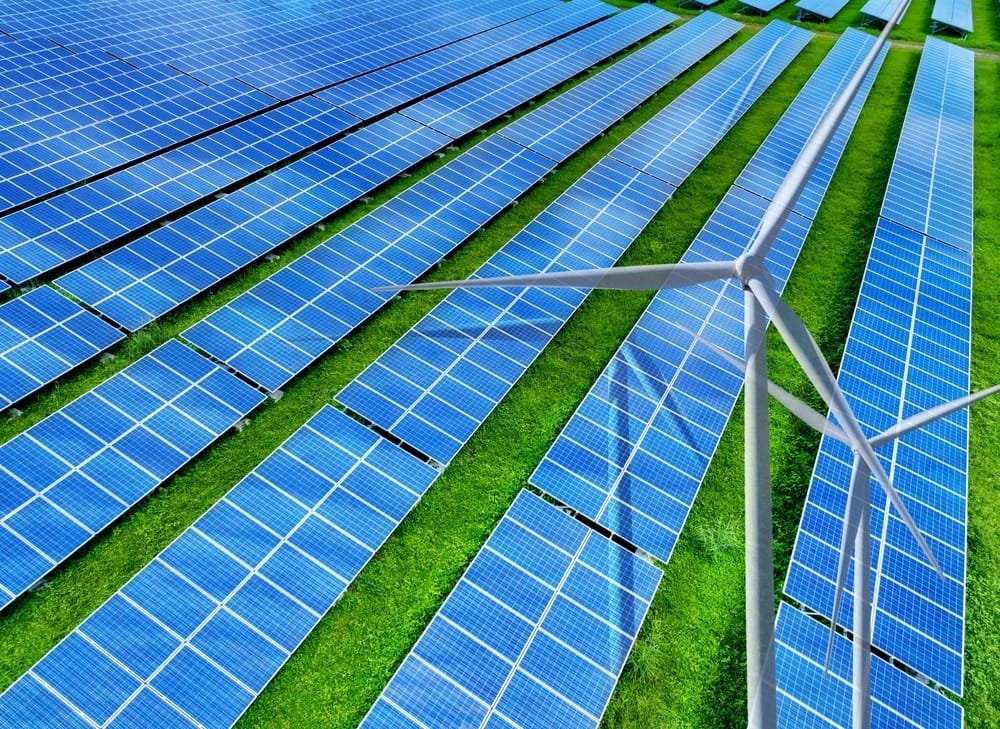
The DOE in the Philippines has made remarkable efforts to address the issue of the renewable energy (RE) application process in an effort to improve the business environment and in
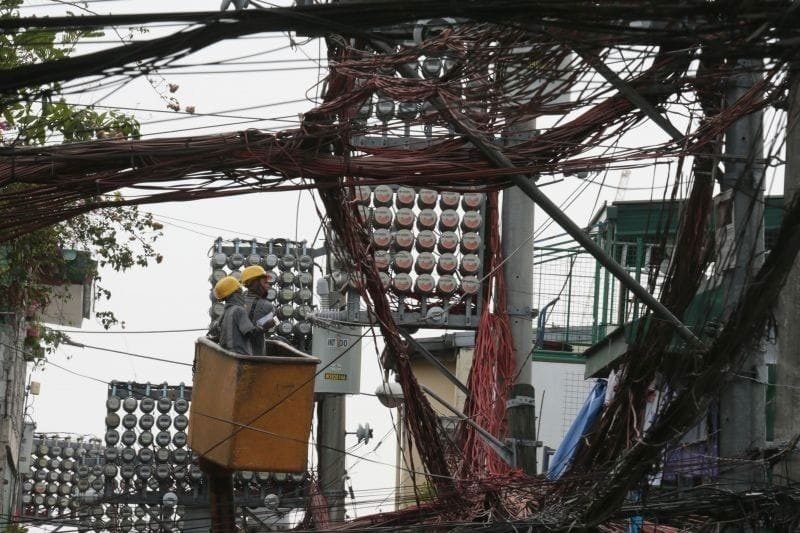
The Philippines has moved to address the problem of electricity consumers with the Republic Act 11552. The implementing rules and regulations of the Lifeline Rate program have been signed to
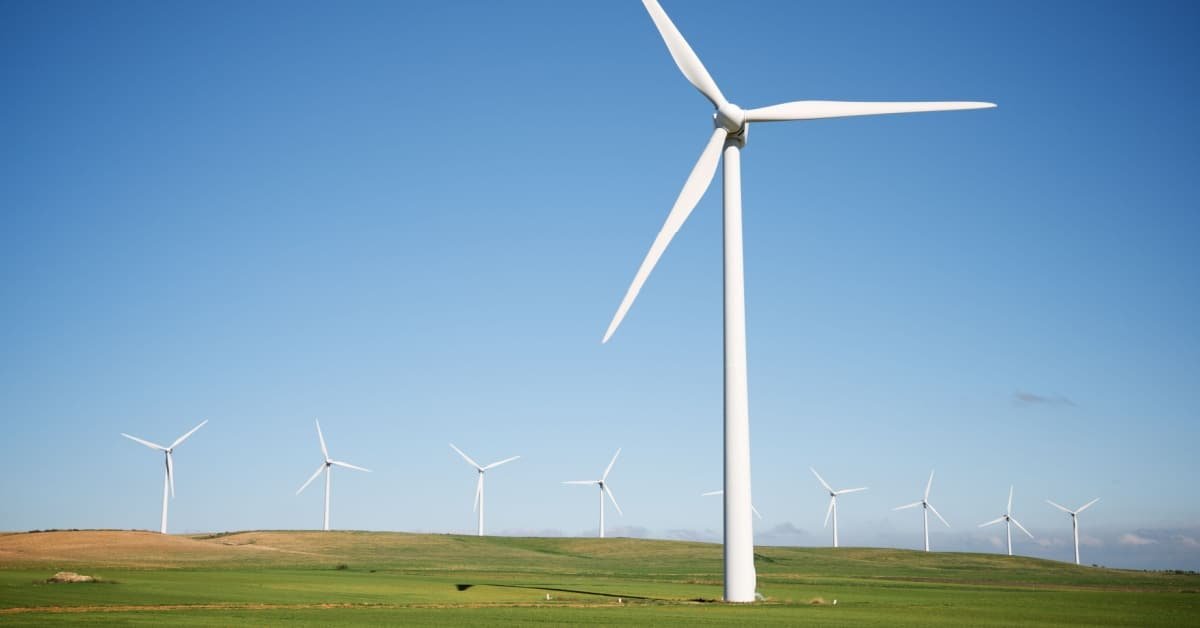
The Renewable Energy Act of 2008 (RA 9513) is the Philippine law that seeks to fast-track the exploration and development of renewable energy (RE) sources. It sets up a broad
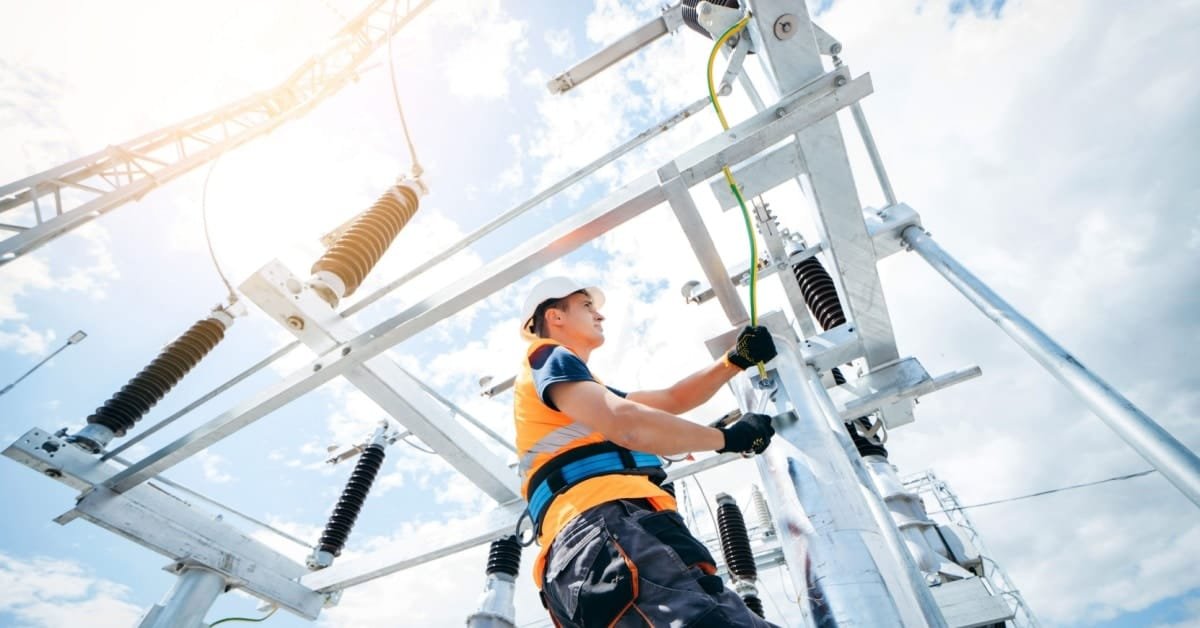
In response to the escalating heat index and the subsequent rise in electricity demand, the Energy Regulatory Commission (ERC) has taken decisive action. The ERC has mandated a temporary halt
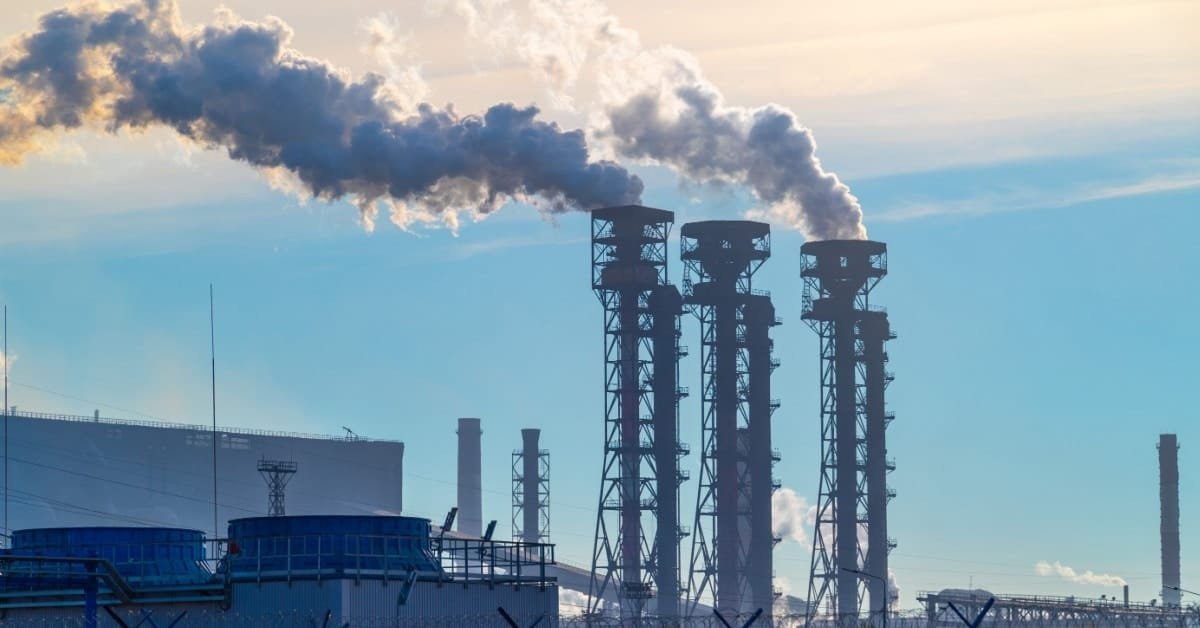
Philippine companies that export goods such as iron, steel, aluminum, cement, and fertilizers to the European Union (EU) are being encouraged to get ready for a new regulation that will

The lights flicker, then plunge into darkness. Pandemonium erupts as fans whir to a halt, refrigerators hum their final chorus, and the digital world fades to black. This all-too-real scenario
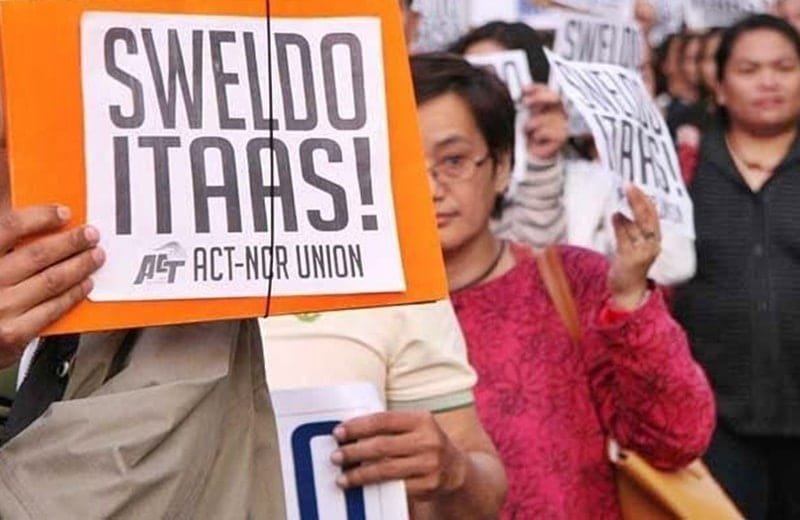
The air crackles with tension in the Philippines. On one side, the Marcos administration whispers promises of a reinvigorated economy through Charter change (“Cha-cha”), a constitutional makeover. On the other,