
 0 Comments
Table of Contents
The Philippines’ drive to accelerate its renewable energy transition gains fresh momentum as Citicore Renewable Energy Corp. (CREC) brings a 125-megawatt solar facility online in Pangasinan, reinforcing efforts to reduce reliance on imported fuels amid global energy uncertainties.
Citicore Renewable Energy Corp. on Monday announced the energization of its 125-megawatt-peak (MWp) Citicore Solar Pangasinan project, marking another addition to the country’s growing renewable energy portfolio.
The facility, located across Sta. Barbara and Calasiao, is expected to generate approximately 202 gigawatt-hours (GWh) of clean electricity annually, which is estimated to power between 90,000 and 100,000 households. It is also projected to cut nearly 120,000 metric tons of carbon emissions each year.
The project operates under a long-term offtake agreement secured through the Department of Energy’s Green Energy Auction Program 2 (GEAP-2), a key policy mechanism aimed at accelerating renewable energy deployment nationwide.
“This development shows how national policy and private-sector execution can work together to create tangible local impact,” CREC President and CEO Oliver Tan said.
Supporting Energy Transition Goals
The project comes as the Department of Energy (DOE) intensifies efforts to reduce the Philippines’ dependence on imported fuels, particularly as global oil prices remain volatile due to geopolitical tensions.
DOE Energy Policy and Planning Bureau Director Michael Sinocruz earlier emphasized the urgency of accelerating the shift toward indigenous energy sources.
“What we need to focus on here is how we can speed up our energy transition…that our dependency on imported fuels will decrease,” he said.
The Philippines aims to increase the share of renewables in its power generation mix to 35 percent by 2030 and 50 percent by 2040. The Pangasinan solar project represents a concrete step toward strengthening domestic energy supply while cushioning the country from external price shocks and supply disruptions.
Grid Support
The newly energized facility forms part of Citicore’s broader plan to build up to 5 gigawatts of renewable capacity over the next five years.
With the Pangasinan project now online, the company said it has completed more than half of its commitments under GEAP-2 and is targeting the energization of five remaining projects across Pangasinan, Batangas, and Quezon in the coming months.
The commissioning also follows the recent activation of the 69-MWp Citicore Solar Negros Occidental 2 plant, which adds capacity during periods of peak demand, particularly in the summer season.
Design Innovation
Beyond its contribution to power generation, the Pangasinan solar facility incorporates design features aimed at improving resilience and local economic benefits.
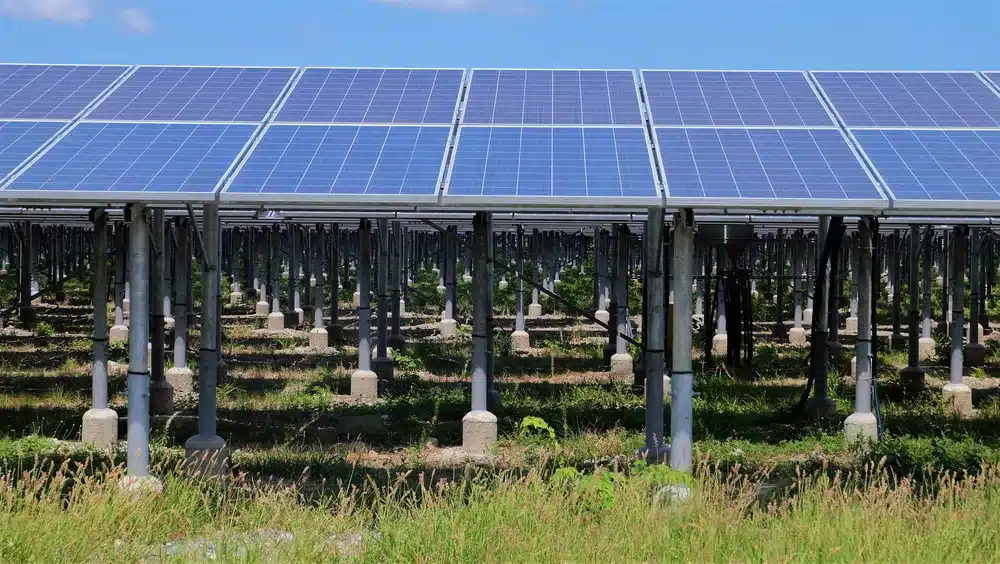
The plant uses an elevated engineering structure to mitigate flooding risks, enhance airflow, and improve drainage. This approach also enables dual land use through Citicore’s AgroSolar initiative.
This program allows crops to be cultivated beneath and between solar panels, supporting farmers’ livelihoods while contributing to food security.
“Renewable energy can be thoughtfully designed… while considering benefits to our other initiatives such as AgroSolar,” Tan said.
During construction, the project generated nearly 1,000 local jobs, with plans to hire permanent operations personnel from surrounding communities.
Investments Aligning With Public Policy
As the Philippines navigates rising energy costs and supply vulnerabilities, projects such as Citicore Solar Pangasinan underscore the growing role of renewables in securing the country’s energy future.
By combining policy support, private investment, and community integration, the development signals a continuing shift toward a more resilient and sustainable energy system.
Source:
https://tribune.net.ph/2026/04/07/doe-pushes-renewable-shift-as-oil-crisis-exposes-import-dependence