
 0 Comments
Sustainable Agriculture through Water Management
The largest and richest in agricultural produce island of Luzon is now on the precipice of serious crises due to the effects of climate change. More specifically, the agriculture sector which is fundamental to the growth and development of the island is highly sensitive to climate variation and instability including unpredictable and irregular rainfall, frequent and severe drought and other weathers’ calamities. These factors have the potential to not only undermine the existence of the farmers but also compromises food security in the region.
The particular focus of this article is on the important approaches to water productivity that are necessary for maintaining agricultural output in Luzon. When the agriculture of Luzon follows sustainable measures, this business may be shielded from the erratic climate changes and continue to be productive despite of such unanticipated occurrences.
Enhancing Water Storage and Efficiency
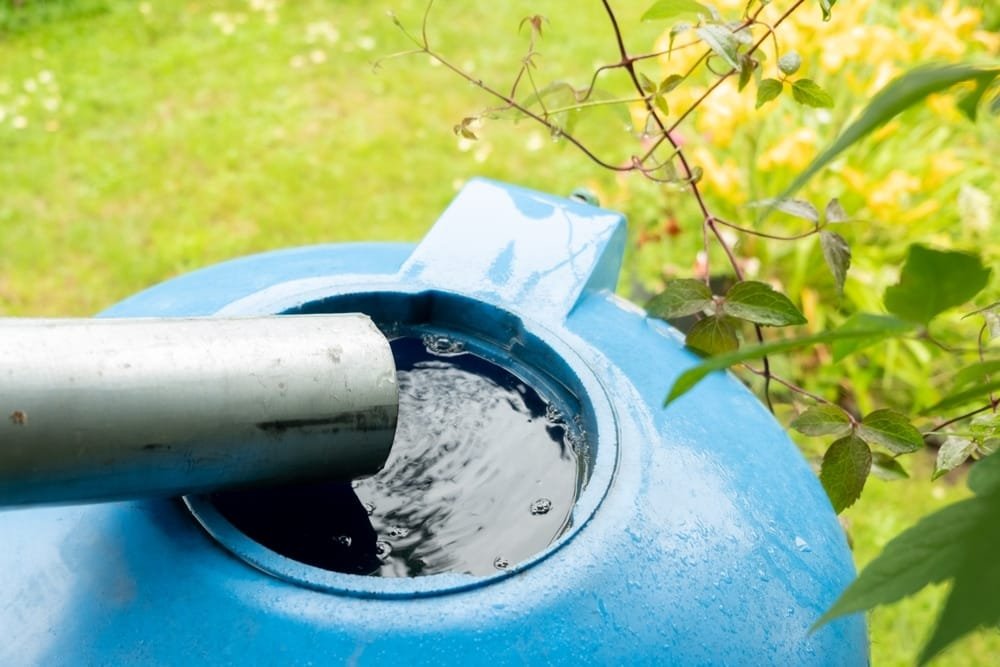
Water storage and efficiency as a form of adapting climate change affects agriculture in Luzon has probably been one of the most viable approach towards the same. Because the island is frequently affected both by drought and by floods, it is important to establish high quality water reserves. There is a technique known as Managed Aquifer Recharge (MAR) which has been practiced in areas with similar agri-climatic problems. MAR entails the use of underground aquifers to store the excess water that may be realized during rainy season for use during dry season when the commodity is scarce.
Further, the use of superior tools for irrigation like drip watering and sprinkler watering is more effective than the conventional irrigation methods which let water wastage. These systems supply water directly to the roots of the plant thus using water efficiently and at the same time improving on yields. That is why, along with water storage proposals, using effective irrigation methods, adequate for the climate characteristics of Luzon, the island will be able to maintain stable irrigation in agriculture and withhold water reserves maximum.
Adaptive Management and Technological Integration
Climate change calls for the use of technology as well as the implementation of functions and measures that can make the company well-adapted. In the Luzon region, for example, the use of greenhouses fitted with water-saving technologies is now on the rise. These systems enable the farming processes to be controlled as far as water rationing is concerned, thereby optimizing on the water ration when used to cultivate crops.
Furthermore, the use of PA tools, backed up by the innovations like AI, allows farmers to check the ability of the soil to retain water and set up a watering regime that corresponds to the requirements of the crops. This technology based approach serves the purpose of water conservation and at the same time provides flexibility against the adverse climate change by offering a means for surviving unpredictable weather shocks on agri-practices.
Community-Led Initiatives and Policy Support
The success of sustainable water management in Luzon heavily relies on community-led initiatives and strong policy support. Local communities play a vital role in the adoption and implementation of sustainable practices. Grassroots initiatives that promote water conservation and the use of efficient irrigation techniques can significantly contribute to the overall sustainability of agriculture in the region.
Furthermore, government policies that incentivize the adoption of innovative technologies and sustainable practices are crucial. The Philippine government has introduced various programs and regulations that support farmers in transitioning to more sustainable methods. These policies not only provide financial incentives but also offer technical support, helping farmers navigate the challenges of climate change. Here are some samples of these initiatives:
- The Department of Agriculture’s “Adaptation and Mitigation Initiative in Agriculture” (AMIA) aims to enhance the resilience of agricultural communities by promoting climate-resilient crops and sustainable farming techniques.
- The government’s “National Organic Agriculture Program” (NOAP) encourages organic farming by providing financial incentives, certification support, and capacity-building activities.
- The “Agri-Pinoy” Framework, which focuses on achieving food security and sustainability through integrated, community-based agricultural approaches.
Education and Capacity Building
Educating farmers about the benefits and methods of sustainable water management is crucial. Programs aimed at increasing awareness and understanding of sustainable practices can lead to broader adoption and more effective management of water resources. Training and extension services that bring the latest research and techniques to the farming communities can help bridge the gap between technology and its practical implementation on the farm.
Conclusion
Given this, climate change impact on agriculture and future development of agri-food system in Luzon particularly those states with large areas of rice production will only be successful if sustainable water management is effectively put in place. Climate change related challenges are not to be underestimated but it is possible to overcome them. Luzon can develop a sustainable agriculture through the following ways: improving the water storages, incorporating modern facilities, encouraging people engagement, and improving the agriculture faculty and policy for farmers.
These will not only assist the region with the current problems but also with the future of agriculture within the region. Water management is not only compulsory for the present but also a living capital in seen prosperity and security of Luzon’s agriculture for the generations to come.